1. Plant azaleas and rhododendrons.
They are budded and blooming now, which is the best time to plant.
2. Plant bare root fruit trees and berries
before it’s too late and they’ve rooted out.
3. Clean, sharpen and service garden tools
in preparation for spring in your garden.
4. Weed, weed, weed.
Pull them while they’re young and the ground is wet for easy pulling.
5. Fertilize indoor plants
with Maxsea All Purpose Plant Food.
6. Fertilize lawns
with EB Stone Nature’s Green Lawn Food to green them up quickly.
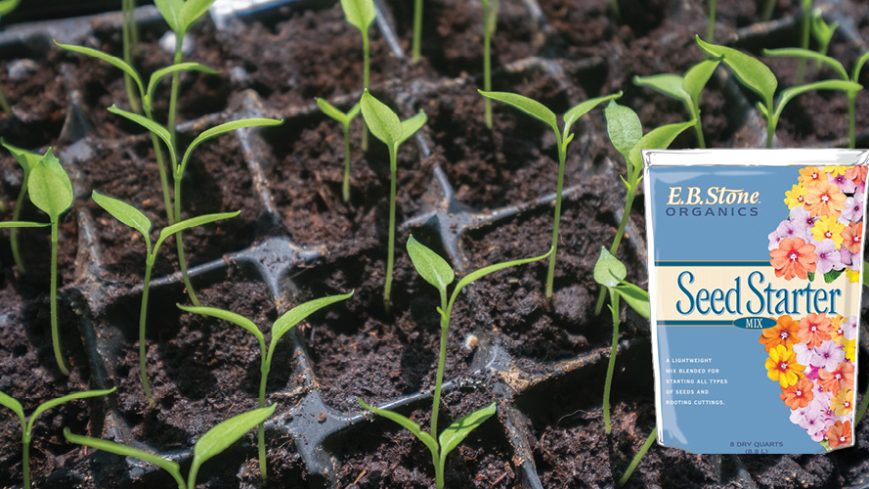
7. Sow seeds for vegetable and annuals inside.
Most spring/summer annuals and vegetables should be sown 6-8 weeks before the last frost of mid-April.
8. Set out codling moth traps
around mid-March in your apple and pear trees to reduce moth populations or for the timing of insecticide treatments.
9. Prevent mildew on roses
by spraying Bonide Rose Rx 3 in 1 or neem oil in the evening after bees have stopped foraging. Use every 14 days as a preventative.
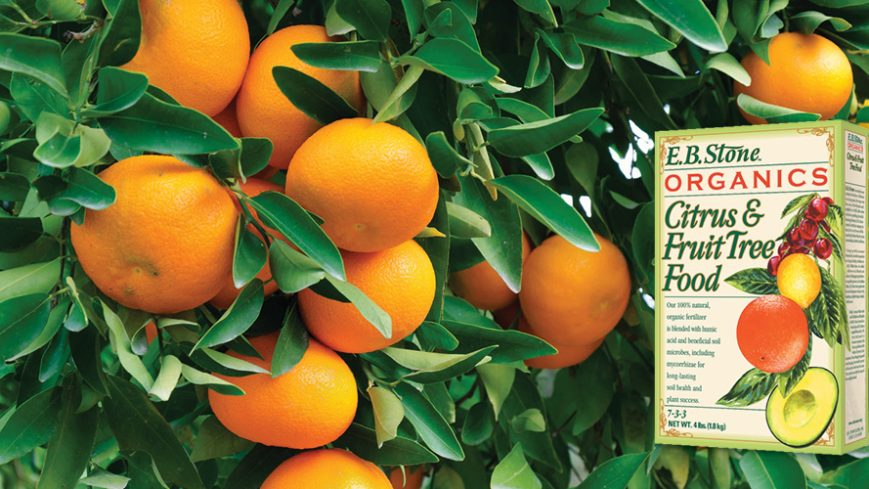
10. Fertilize citrus with EB Stone Organics Citrus and Fruit Tree Food.
Add iron as well if your citrus leaves are yellow.
11. Apply Sluggo
to control slugs and snails. Upgrade to Sluggo Plus for control of earwigs and cutworms as well.
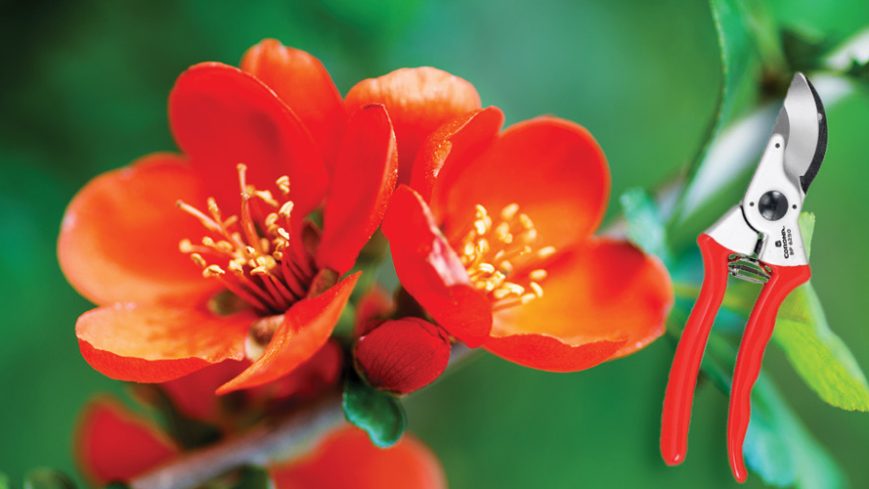
12. Prune spring blooming shrubs once they’ve finished blooming.
Flowering quince, lilac, forsythia, spirea, etc.
13. Fertilize and mulch blueberries
with EB Stone Organics Azalea, Camellia, Gardenia Food and Planting Mix. Blueberries want and need acidic soil to be happy.
14. Be on the lookout for aphids.
Spray them with Monterey Take Down at the end of the day once bees have stopped foraging.
15. Plant summer flowering bulbs:
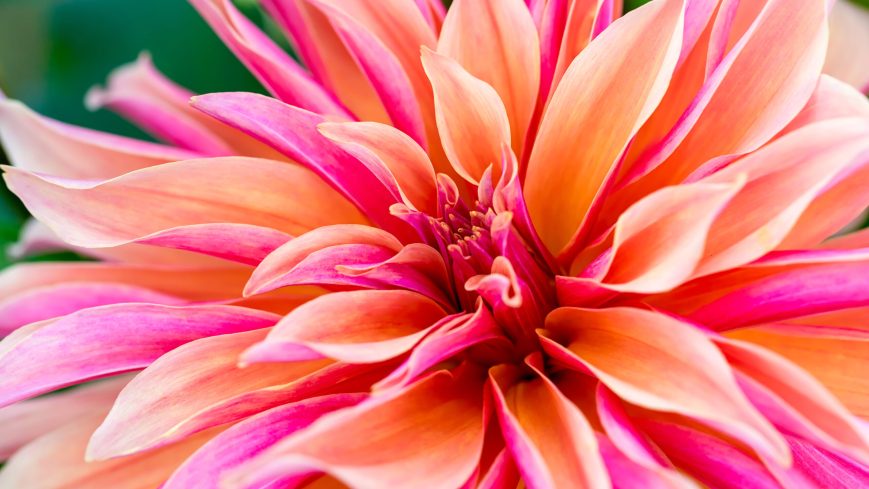
Dahlias, lilies, and gladiolas. Add dramatic color to your garden with little effort. They’re fabulous cut flowers too.
16. Fill in color beds, borders and pots
with cool season annuals such as pansies, violas, primrose, Iceland poppies and more. Hold off on planting warm season annuals until the chance of frost has passed.
17. Fill in your vegetable garden
with cool season veggies such as lettuce, chard, kale, arugula, spinach, broccoli, and more. Plant seed potatoes, asparagus, rhubarb and horseradish.
18. Wait to prune freeze damaged and/or tender plants until about mid-April.
This can be difficult to resist, but the damaged portion is acting as shelter from potential spring frost.
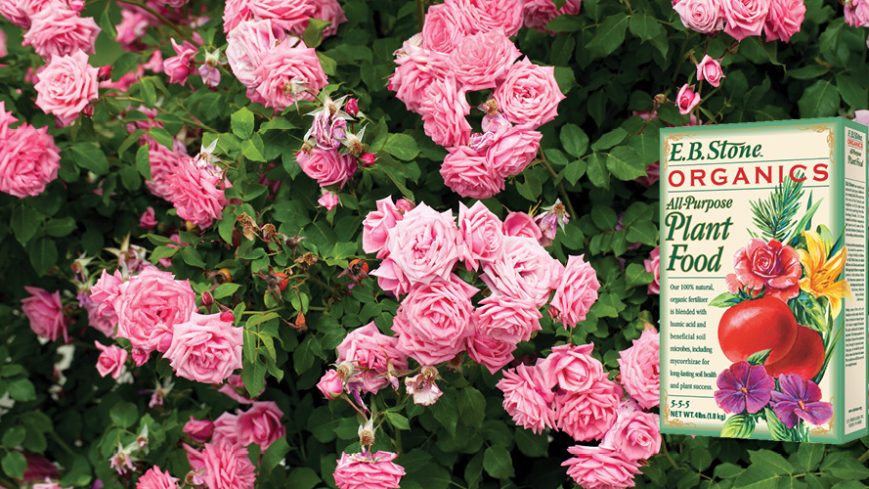
19. It is time to fertilize your roses.
March Rose Fertilizer Recipe:
½ cup/rose of EB Stone Organics All Purpose Plant Food
½ cup/rose of EB Stone Organics Bone Meal
½ cup/rose of EB Stone Naturals Granular Gypsum
2 Tbsp/rose of EB Stone Naturals Sul Po Mag
1 shovel scoop full of EB Stone Chicken Manure
Spread the first 5 ingredients around the base of the plant, mix into the soil if possible, top with chicken manure and water well after.
20. Begin to prepare planting beds and veggie gardens for spring.
Test and adjust your soil pH, nitrogen, phosphorus and potassium levels. Stop by for a consultation, and we will help you choose the best amendments.
21. Fertilize camellias, azaleas and rhododendrons
once they’ve finished blooming with EB Stone Organics Azalea, Camellia and Gardenia Food.
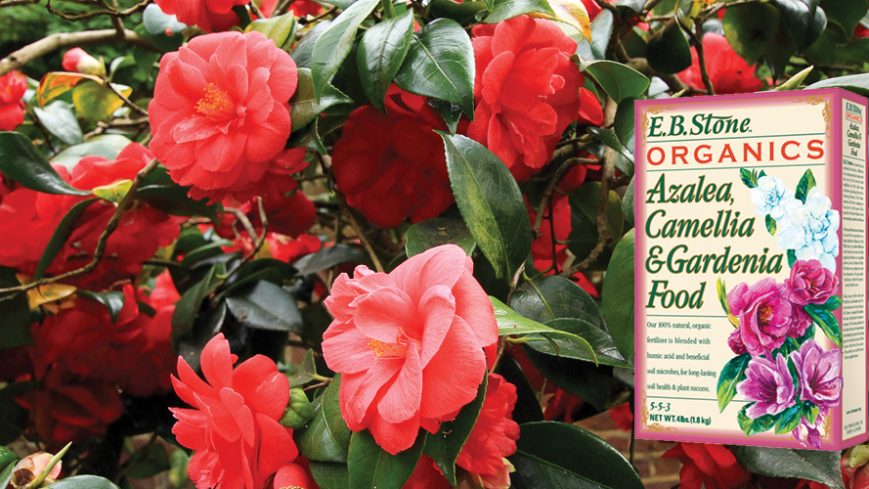
22. Pick up fallen camellia blossoms
to prevent camellia petal blight. Prune camellias if needed once they are done blooming.
23. Check irrigation systems
for leaks and repair as needed. Come see our Ag department associates for any irrigation repair related question or supplies.
24. Watch for frost
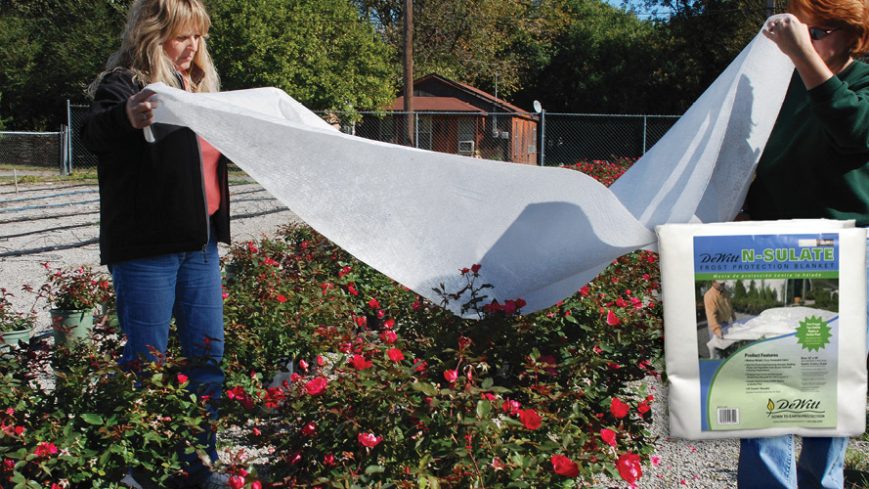
as new growth is very susceptible to frost damage. Cover plants with N-Sulate fabric and spray with Wilt Stop.